









Welcome

What is green growth? What are green jobs?  And what are the most appropriate and cost-effective ways for governments and the private sector to pursue them?  These are prominent questions for the global policy agenda and in most national capitals, but to date there have been few easy answers – and many wrong turns in the push to create more environmentally friendly paths for economic growth and job creation.  Efforts to recover from the financial crisis and recession have attracted new scrutiny of green economy concepts and results.

The business community regards green growth as an ongoing partnership in which governments, consumers and business work towards economically

Right: (left to right) Scott Williams, PwC- Japan with Keidanren’s Yoshiharu Tachibana, WBCSD Taskforce and Masayo Hasegawa, Acting Chair, WBCSD Taskforce at the Tokyo Dialogue in April 2012.


 and environmentally sustainable growth. Companies play a major role in green growth through reduction of the environmental impacts of their products, services and processes, for example through more efficient use of resources, through waste prevention and – perhaps most importantly – through the development of new and innovative technologies.

2012 marks the 20th anniversary of the 1992 Rio Earth Summit. At the UN Conference on Sustainable Development (Rio+ 20), governments will lay out new priorities for international sustainability policies and institutions. A central theme will be how to promote the green economy in the context of sustainable development and poverty eradication. Green growth and the development of a global green economy have also been identified as high priorities for policymakers in the G20, OECD and United Nations Environment Programme (UNEP).

A range of sponsors and partners have launched the Green Economy Dialogue project with primary support from the United States Council Foundation (USCF), the United States Council for International Business (USCIB) and USCIB’s Environment Committee, as well as the Business and Industry Advisory Committee to the OECD (BIAC).

This initiative aims to foster broad international understanding and consensus on directions for green growth, and effective ways to achieve progress within the context of global regulatory and market frameworks.  In so doing, we will:

  • convene a series of workshops to engage the private sector, governments and other stakeholders to inform international policy discussions; and
  • commission forward-looking articles on green growth from a number of respected academic scholars
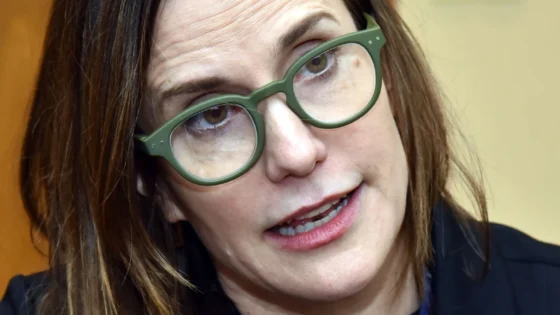
(Photo: Francesca Costantino, US Department of Energy provides comments into the Low Carbon Economy panel)


Dialogue meetings will occur in Washington, Paris, Asia, and Latin America.   The policy- and business- relevant academic Perspectives papers will be published in Energy Economics at the time of Rio +20.

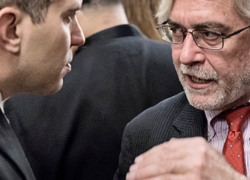
(Left: John Drexhage, International Council on Mining and Metals (ICMM) comments during a Dialogue session, October 2011)


Business seeks to promote greener growth through policies and actions that are science-based, flexible to account for change, and that stimulate the economic growth essential to improve living standards across the globe and to finance effective actions.


For more information on major policy work on Green Growth, please refer to the links in the Useful Links portion of the website.